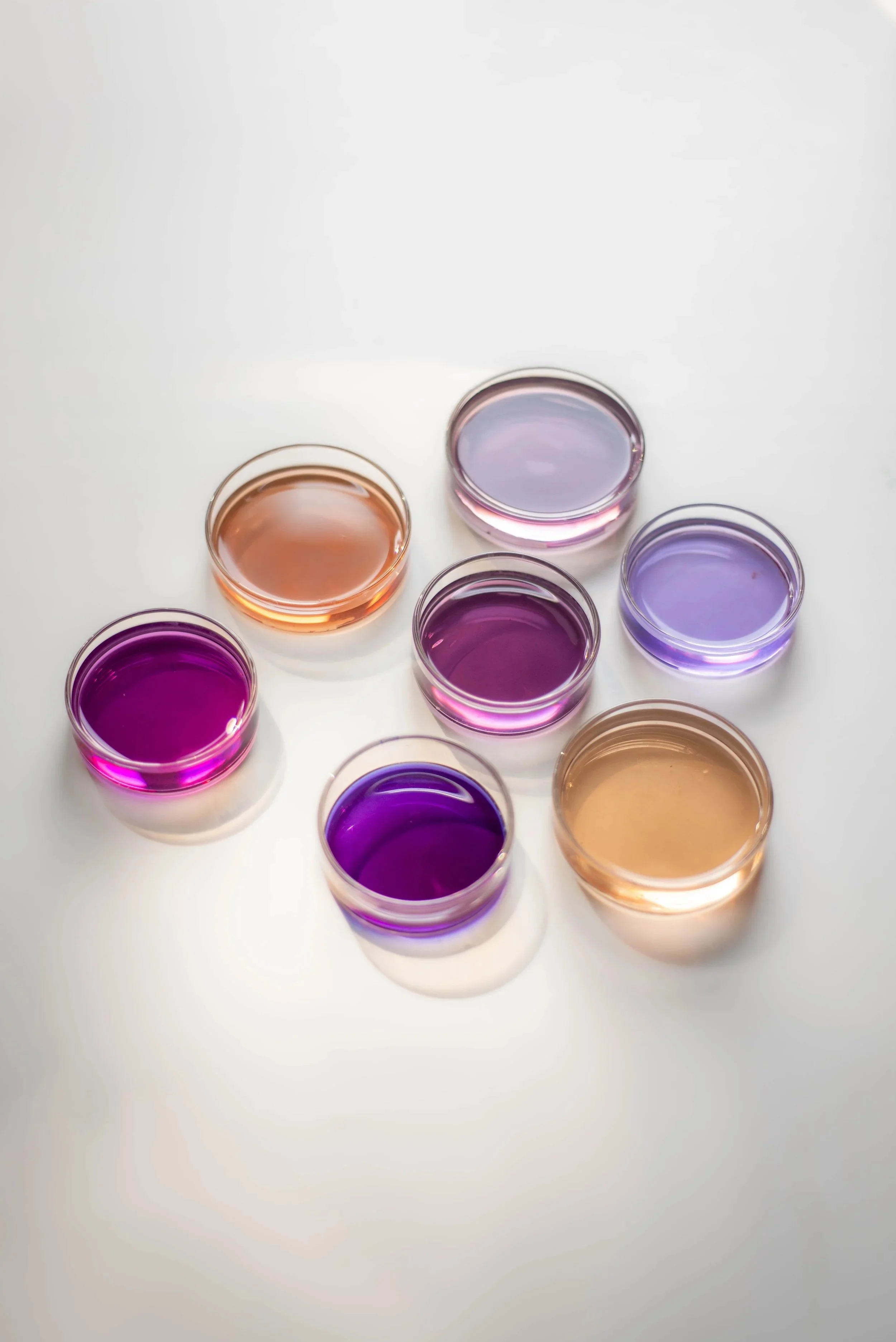
Aluminum is the most plentiful metal in the earth’s crust, and it is a very companionable molecule. It readily bonds to oxygen and silicon, seizing into rocks including feldspar and bauxite. In spite of its abundance under foot, even after millennia of metallurgy aluminum wasn't isolated until 1824. For a time, the rarity of this newfangled, non-corroding metal saw it valued more highly than gold or silver. There was even a craze for aluminum jewelry before less expensive production methods were developed in 1886.
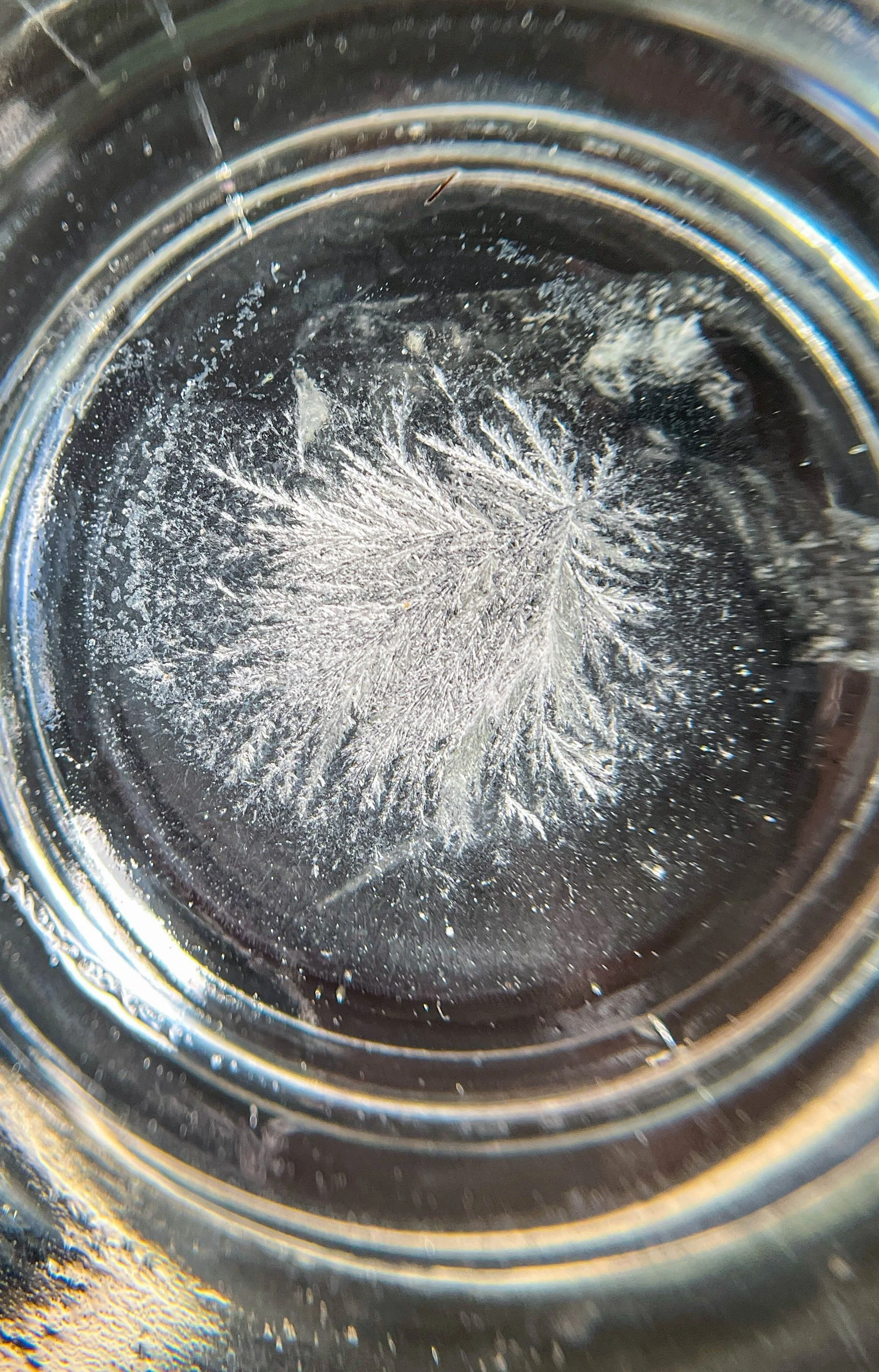
Aluminum was given its name in 1812 by the chemists wrestling to prise pure metal from the earths and minerals in which it was lodged. That name comes from the French alum, derived from Latin alumen for white salts used in medicine, water purification, and dyeing since ancient times. These alum salts are brewed by the geologic activity of aluminum-rich earth, particularly in volcanic regions, or they accrue in rings around evaporating desert pools. Grecian islands, Italian volcanoes, and the deserts of western Egypt were historical sources of alum salts. Long before the identification and isolation of elemental aluminum, alum salts were a hugely important trade good.
“Nature produces no perfect alum, but affords the materials for it in sundry ores, pyrites, stones, slates, earths, waters, and bitumens...” [1] Access to alum purified from such natural sources was essential to historical dyers. One plentiful source of alunite for extracting alum lies in Tolfa, outside of Rome. In the 15th century this lay within the Papal States, and a bustling export of alum grew under the auspices of Pope Pius II. A surprisingly avaricious series of pontiffs vied to monopolize the alum trade in Europe, threatening the leaders of Christian nations with excommunication should they patronize Eastern sources.
One king did find himself excommunicated, but not for alum-associated reasons: Henry VIII of England. Initiating generations of politico-religious squabbling with the Popes, Henry’s great wool-producing nation was cut off from both Papal and Spanish alum. England began seeking a domestic source of alum-bearing rock in the mid-1500s, and the technological know-how to purify it. It took nearly one hundred years for the material and method to scale up to meet the needs of the nation, utilizing the bounteous shale of North Yorkshire. This area remained the center of alum production in England for over 250 years. The industry was so large that locals couldn’t keep up with its demand for urine - the source of ammonia - and large tubs of urine had to be transported north from London’s beer-drinking masses.
Why is alum so vital to the art of dyeing? It’s a water-soluble salt of aluminum. Potash alum is the naturally occurring variety, with the modern name potassium aluminum sulfate. It is just one type of alum (along with aluminum sulfate, aluminum acetate, aluminum triformate, and beyond) which makes a useful mordant thanks to its aluminum content. In the dyepot, companionable aluminum easily bonds to most natural dyes. It conjoins with these colorful compounds by chelation: attaching to two points of the organic dye molecule. Aluminum (under the right conditions) also attaches to natural fibers, drawing dye from solution and lodging it within a textile. Aluminum mordants effect strong color uptake and retention, making soluble dyes insoluble and helping to stabilize them against the depredations of UV light.
All mordants are metallic salts, but aluminum salts are not the only variety. They are the most commonly used mordants because alum salts are relatively abundant, easily purified, inexpensive, and have no color of their own. The salts of other metals including iron, copper, tin, and chrome can also act as mordants. In addition to forming the chemical link between dye and fiber, these metals alter the shade of natural dyes.
Of course, dyers throughout history haven’t needed to know the chemical constituents or bonding mechanisms of alum to see its utility. They didn’t even need a concept of elements or molecules. Alum simply vivifies color and fixes it in place. As Vannoccio Biringuccio wrote in 1540, “alum is no less necessary to dyers of wool and woollen cloth than bread is to humankind.”
[1] The Dyer's Assistant in the art of dying wool and woollen goods by James Haigh, 1800.
